Coastal Regeneration Immersion
November 2026 & January 2027 Cohorts . arroyo seco, Jalisco
Hands-on experience
field Excursions
Communal meals
Eco-lodging
Permaculture Design Certification in Mexico’s Tropical Dry Forest
NOVEMBER 13-25, 2026 (only 3 spots left!)
JANUARY 10-24, 2027
Upcoming Cohorts
Over 12 days, you’ll complete the internationally recognized 120-hour Permaculture Design Certificate curriculum through a mix of conversation, field experiences, and collaborative design work.
The method 𓇣
Reading landscapes and climate patterns
Learn how to observe land as a living system. This module focuses on interpreting climate, sun exposure, wind, soil, and natural patterns to understand how landscapes function—and how thoughtful design can work with those forces rather than against them.
01Soil ecology and regenerative agriculture
Explore the living foundation of regenerative systems. Cohorts will study soil biology, composting, nutrient cycles, and regenerative growing techniques that rebuild fertility while producing resilient food systems.
02Water systems and watershed design
Water shapes every landscape. This section introduces watershed awareness, rainwater harvesting, swales, infiltration strategies, and drought-resilient design approaches that slow, spread, and store water across the land.
03Agroforestry and food forests
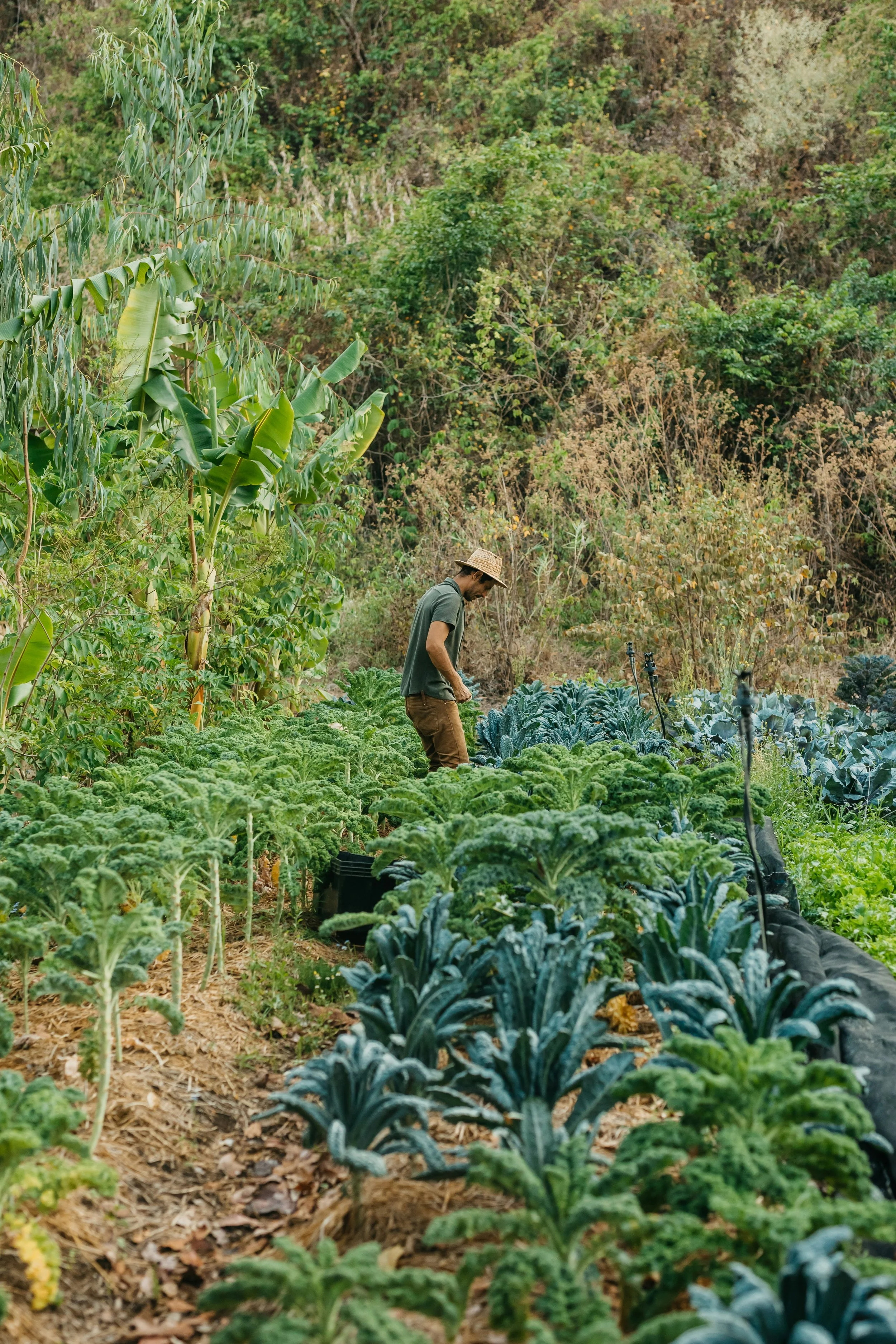
Discover how layered plant systems mimic natural forests while producing food, medicine, and habitat. Participants will learn principles of food forest design, perennial crops, tree guilds, and long-term regenerative land management.
04Natural building and climate-adapted architecture
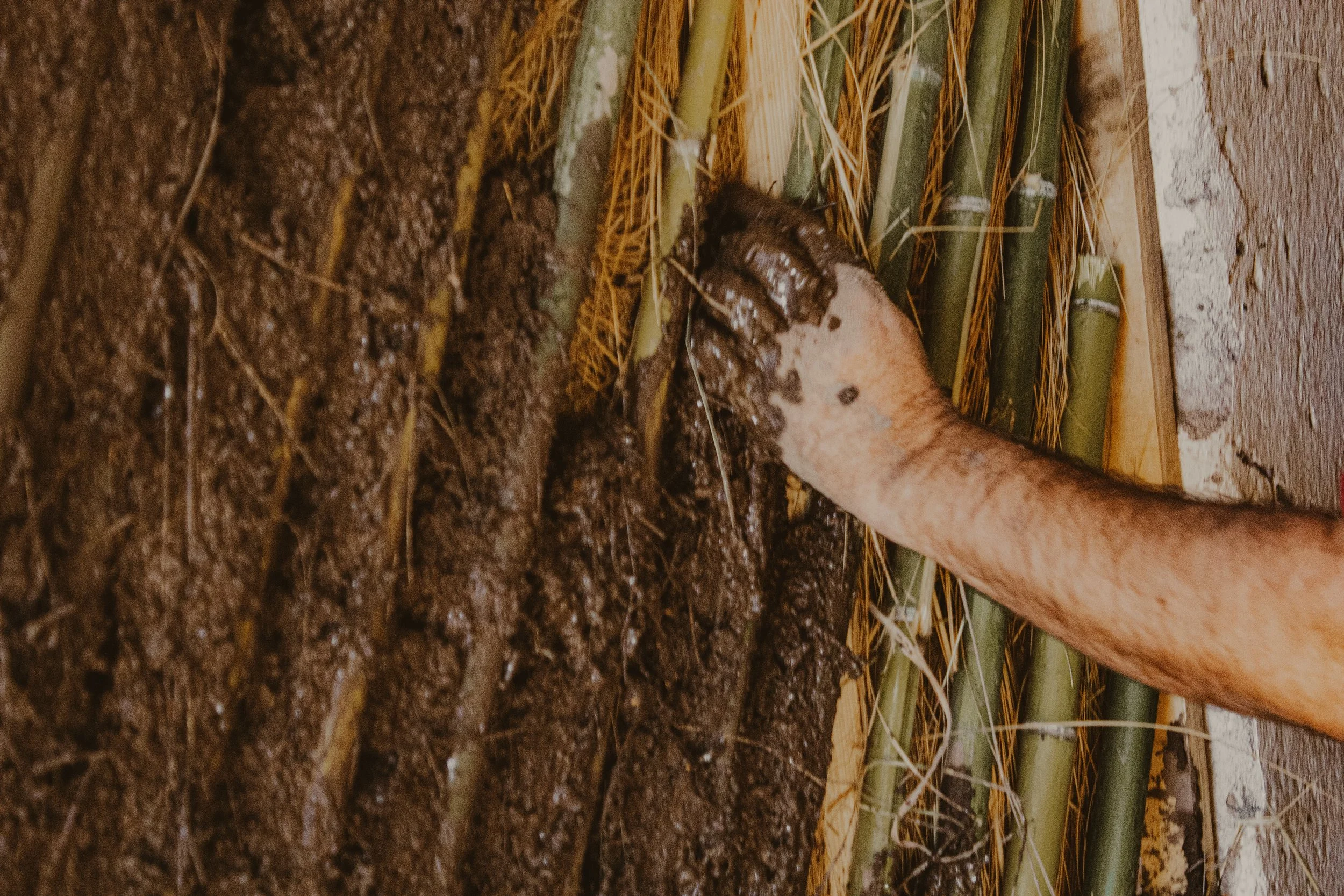
Explore building techniques that work with local materials and climate conditions. Topics include bamboo, cob, rammed earth, and other natural systems that create durable, low-impact structures rooted in ecological design.
05Community systems and field experiences
Permaculture extends beyond the land into how people live and work together. Through site visits and collaborative exercises, participants will explore community design, cooperative stewardship, and real-world regenerative projects in practice.
06

A Living Classroom
on the Costalegre
The Capacha Coastal Conservation Center serves as a hub for environmental research, conservation, and regenerative living along the Costalegre. In partnership with nonprofits, universities, and initiatives like Ekoa Green Community, the organization brings together education, ecological design, and community collaboration to support healthier coastal ecosystems and a growing movement toward sustainable land stewardship. Here, you’ll study in an environment that practices what they teach.
Growing Hub of Regenerative Living
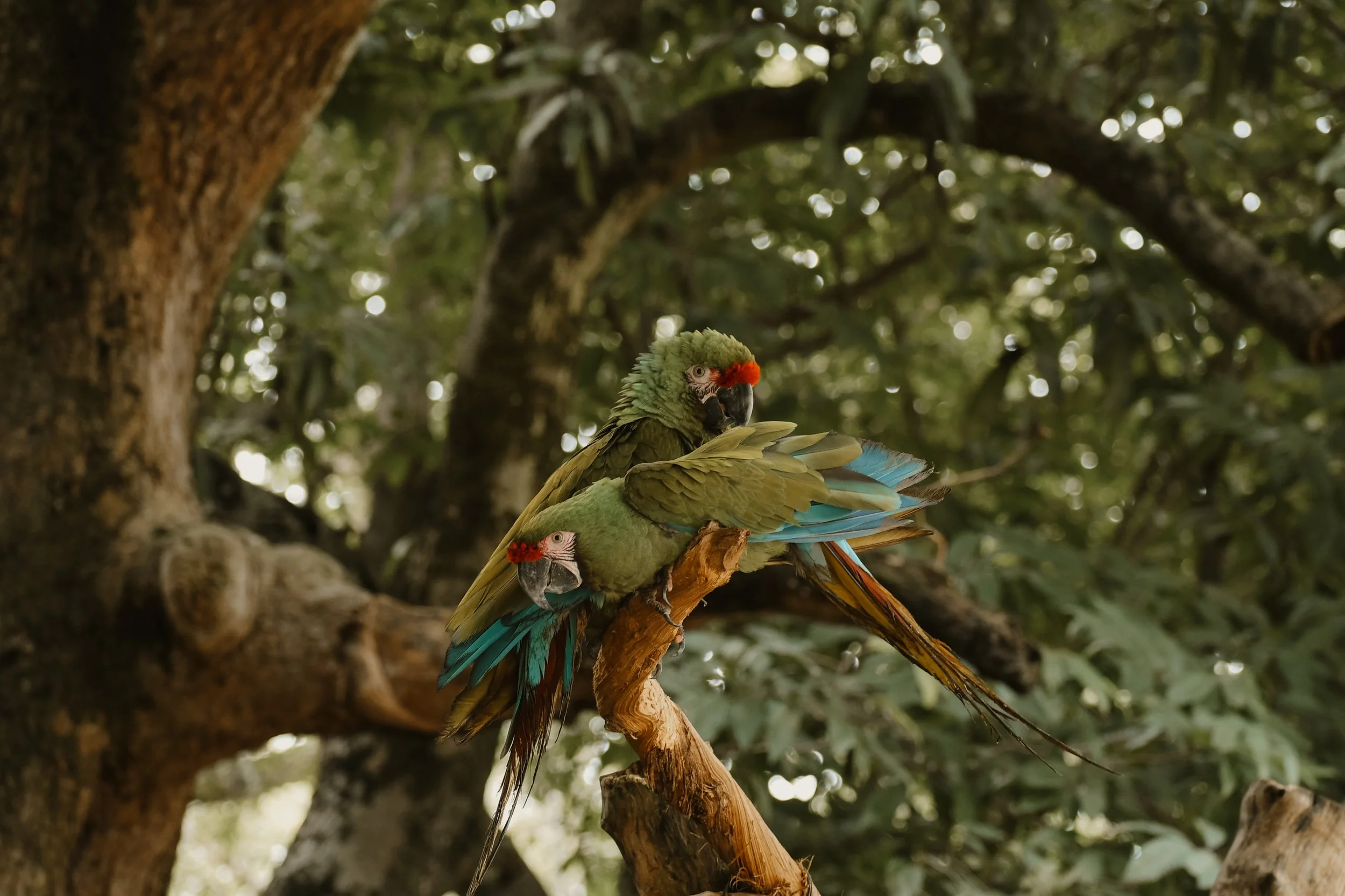
The forests surrounding Arroyo Seco support remarkable bird diversity, making the region a destination for world-class birding. Tropical dry forest, mangroves, and coastal ecosystems provide habitat for parrots, migratory birds, and many endemic Pacific-slope species. Capacha and its nonprofit partner Tierralgre are working to restore upland habitat as part of a long-term effort to reintroduce the locally extinct Military Macaw, helping rebuild biodiversity while protecting critical forest ecosystems across the region.
Birdlife & Military Macaw Recovery
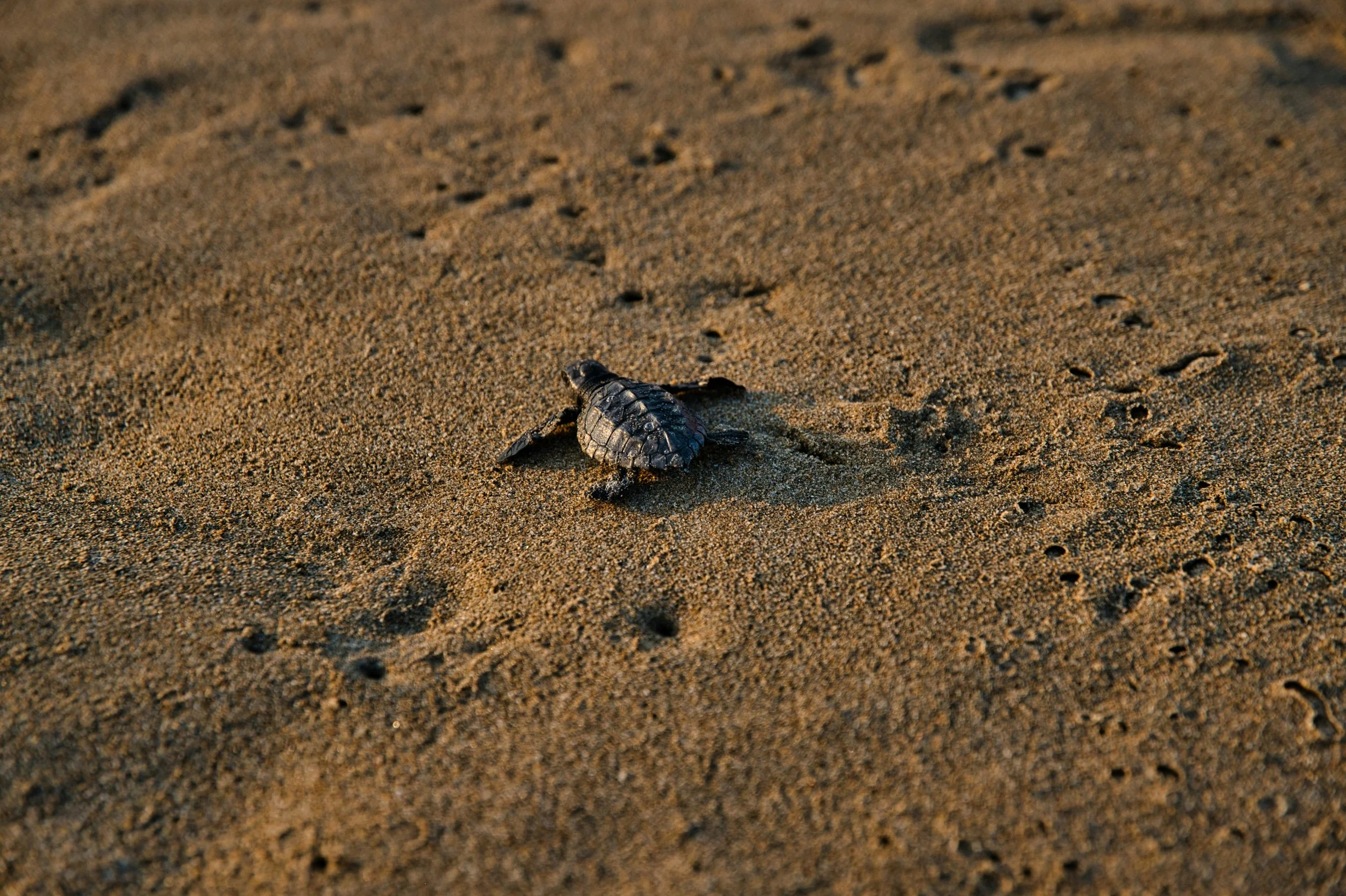
Along the beaches of Arroyo Seco, Capacha supports sea turtle monitoring and recovery efforts, working with environmental partners to protect nesting sites and restore habitat. These efforts reflect core permaculture principles—observing natural cycles, protecting biodiversity, and designing human activity in ways that support healthy ecosystems. Our program offers a living example of how coastal landscapes can be stewarded in ways that benefit both wildlife and local communities.
Sea Turtle Conservation Program
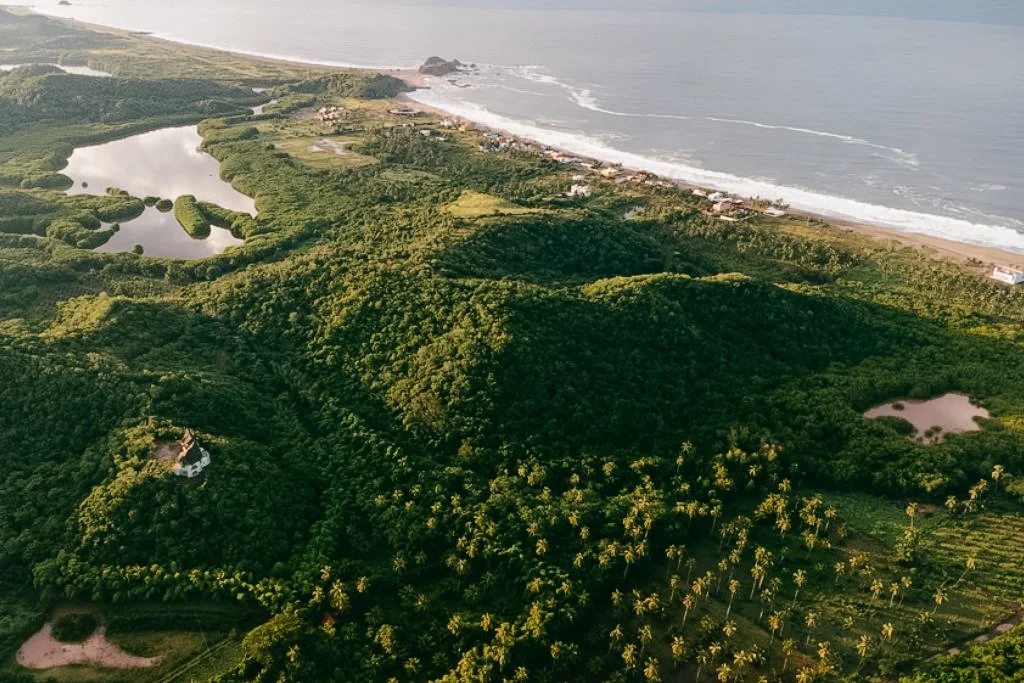
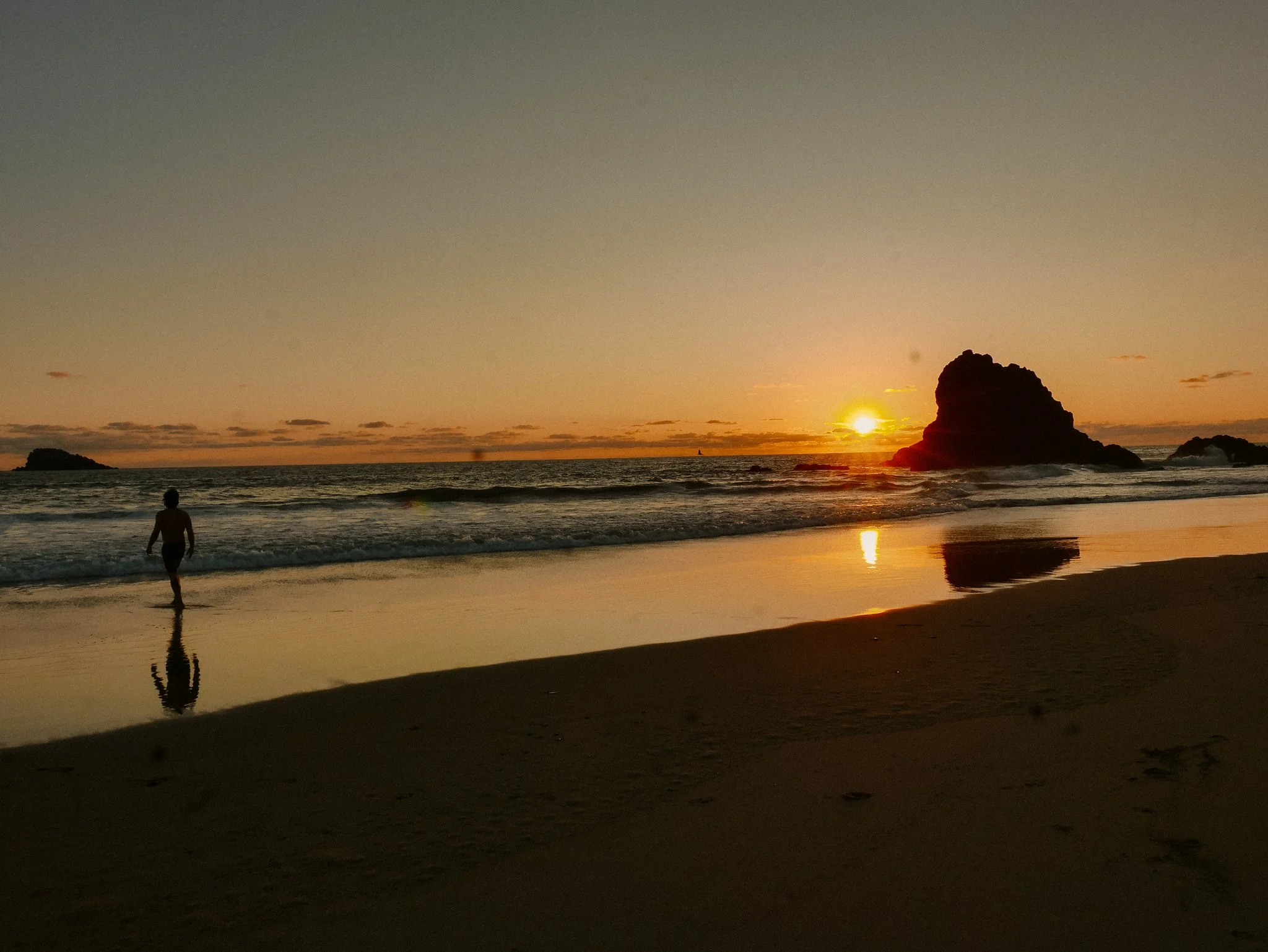
Arroyo Seco sits where the tropical dry forest meets the Pacific, creating a landscape shaped by seasonal rains, warm ocean currents, and rich coastal ecosystems. Mangrove estuaries, rocky headlands, and wide sandy beaches support abundant marine life—from reef fish and dolphins to migratory whales. This intersection of forest, river, and sea creates an extraordinary setting to study coastal resilience, biodiversity, and regenerative land stewardship in action. You’ll be in the heart of it all.
The Landscape of Arroyo Seco
Meet your
Instructors
This course is led by instructors from Arborescencia RedGenerativa, Capacha Coastal Conservation Center, and Xochiraíz, combining expertise in permaculture, coastal ecosystems, and regenerative land stewardship.
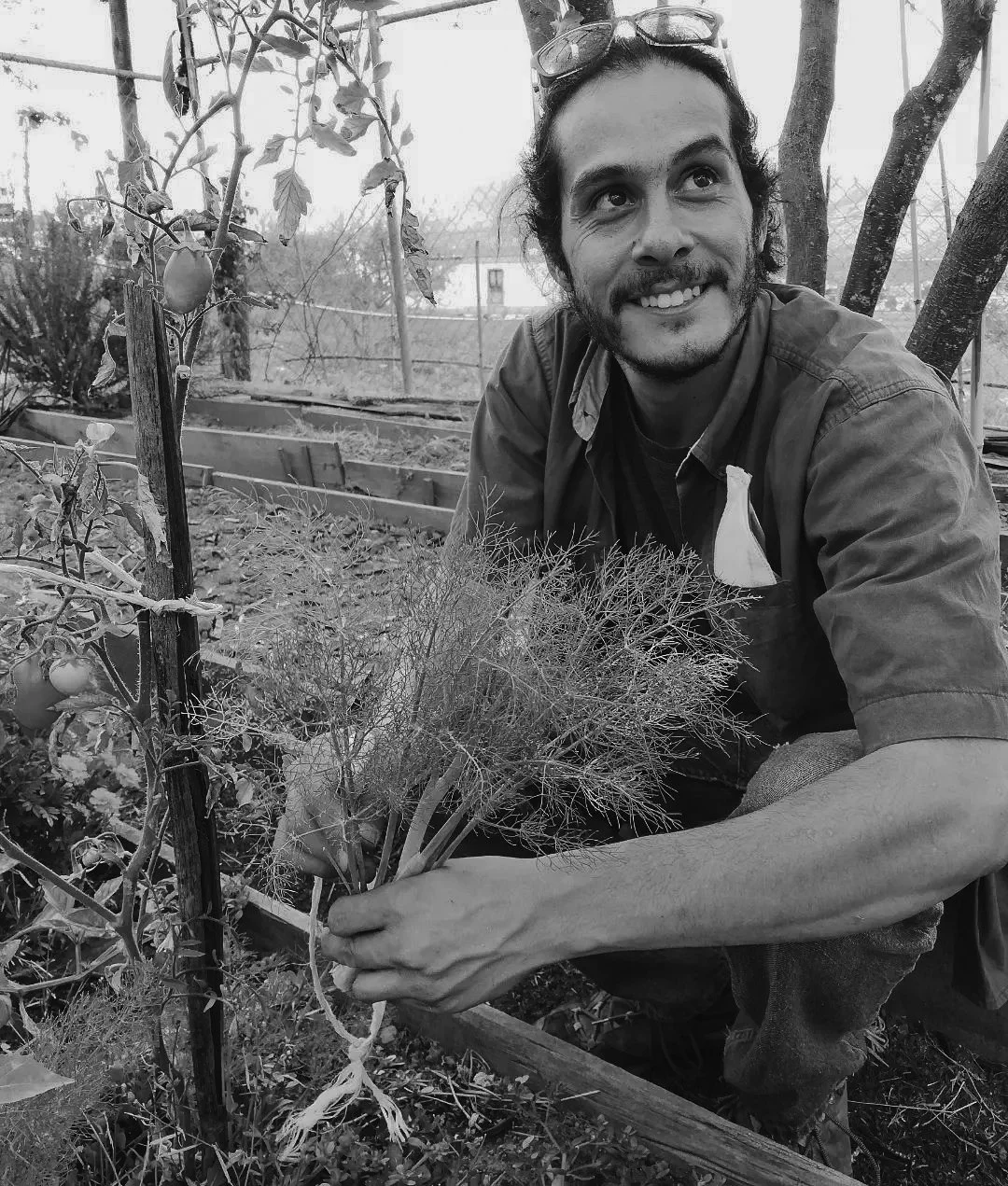
Jorge Luis Gutiérrez
Lead Instructor 𓇣
Jorge Luis Gutiérrez is a landscape architect and regenerative designer with a background in horticultural engineering, specializing in the integration of permaculture, agroecology, and bioarchitecture to connect land, water, and living systems. With expertise in GIS, photogrammetry, and hydrological modeling, he brings a technical and ecological approach to landscape planning. He has taught across universities and alternative learning spaces in Mexico, leading courses in sustainability, water design, ecological restoration, and regenerative land management, while his work spans landscape design, water systems, ecotechnologies, and community-based projects in both rural and urban contexts.
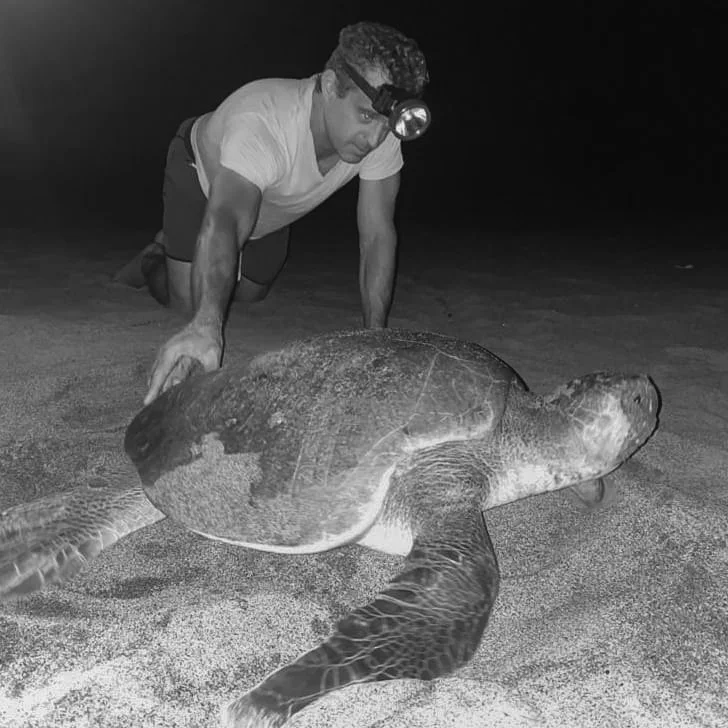
Davison Collins
Field Instructor 𓇣
Davison Collins is a long-time permaculture educator and ecological designer whose work spans Latin America, Costa Rica, and Mexico. Through initiatives such as Capacha Coastal Conservation Center, Tierralegre, and Ekoa Green Community, he has helped develop educational programs that integrate permaculture design, ecological restoration, and community-based sustainability. Davison brings decades of experience guiding students through systems thinking, landscape observation, and practical design strategies that connect people to place.
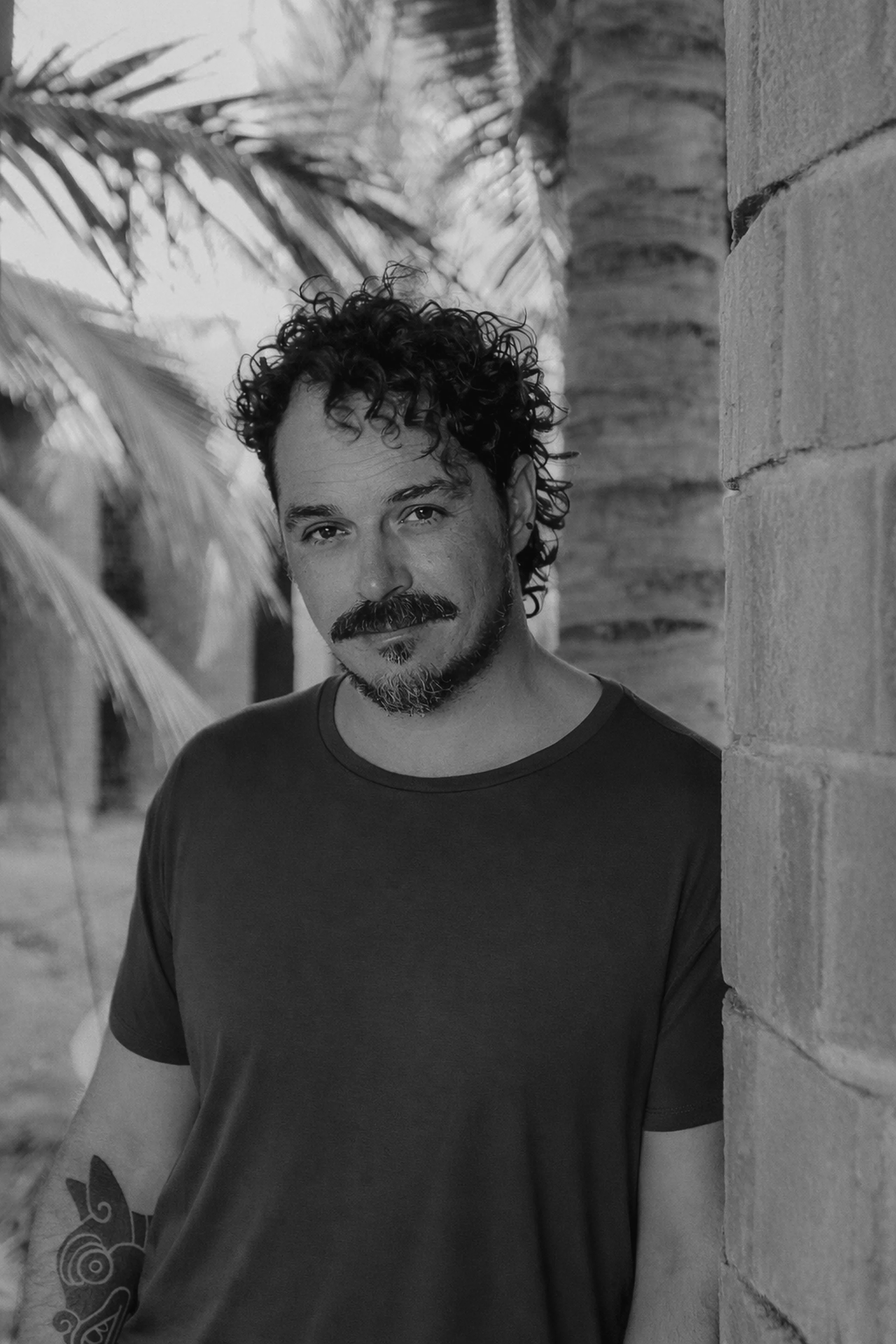
Ozzy Lusth
Field Instructor 𓇣
Ozzy Lusth is a long-time outdoor educator known for his deep connection to the natural world. He’s left an impact on the game of Survivor and is the founder of Xochiraíz, a regenerative land project rooted in community, education, and adventure. Having participated in numerous permaculture design courses, ecovillage design programs, and regenerative living workshops, he brings a strong foundation in sustainable practices. His sessions focus on building confidence in wild landscapes while cultivating a deeper respect for the ecosystems that sustain us.
Planning Your Experience
-
This course takes place in the living landscape of Arroyo Seco, where the tropical dry forest meets the Pacific Ocean. Learning happens through lectures, field observation, hands-on projects, and collaborative design exercises. Students explore permaculture principles directly in the ecosystems where they are applied—from coastal systems to regenerative agriculture and community-scale land stewardship.
-
No prior experience is required. The course is designed to introduce the foundations of permaculture while also offering deeper design thinking and systems analysis for participants with existing experience.
-
Days combine classroom learning with time in the landscape. Mornings typically include lectures and discussions, followed by field exercises, site observation, and collaborative design work in the afternoon. Some evenings include optional gatherings or excursions to connect with the surrounding community.
-
Yes. 3 daily meals are included in collaboration with Rojo Restaurant for the duration of the course and prepared with an emphasis on fresh, locally sourced ingredients whenever possible. Meals are served family style and are vegetarian-based with fresh seafood options. If you have any dietary restrictions or special requests, please let us know during the application process.
-
Most participants will find it easiest to fly into Playa de Oro International Airport, located about 1.5–2 hours from Arroyo Seco. This airport receives direct flights from several cities in the United States and Mexico. Airfare and airport transport is not included in the cost of the course.

-
Applicants begin by completing a series of questions that allow our team an opportunity to get to know you and your goals. After completion, our instructors will reach out to ensure the program is a good fit before moving forward with enrollment.
-
The course is intentionally limited to approximately 20 participants to create an intimate learning environment with plenty of opportunity for discussion, mentorship, and hands-on collaboration.
-
Villa Tortuga
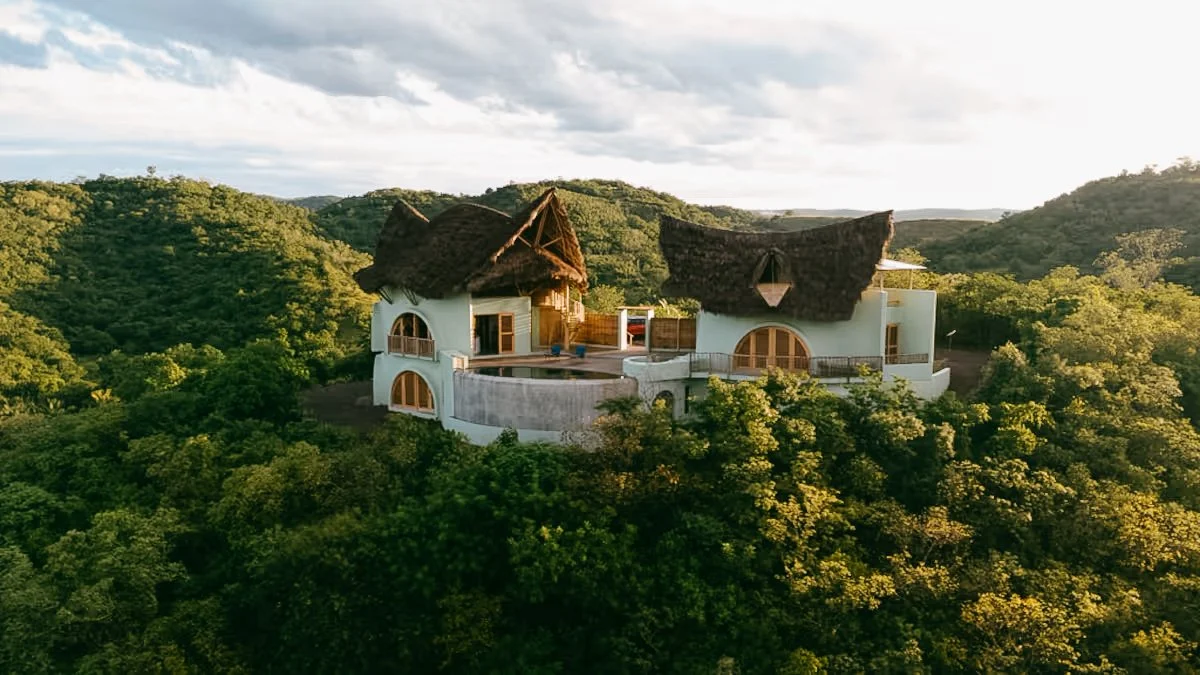
At Villa Tortuga, most participants stay within a series of rooms, suites, and shared spaces tucked into a multi-level bamboo villa overlooking the coast. The layout is dynamic—ranging from private suites to shared configurations—but the experience is consistent: open-air living, ocean views, and a strong connection to the surrounding forest.
Most sleeping arrangements are king-bed based, making them especially comfortable for couples/pairs traveling together who don’t mind sharing a bed.
Across the villa, you’ll find options like:
Private rooms with a single king bed
Suites with two king beds
Loft-style space with two king beds
Studio-style layouts with a king bed plus additional sleeping space
The villa itself functions as a shared home base, with communal kitchens, gathering spaces, and an infinity pool, creating a balance between privacy and connection throughout the program.
Beachfront Options
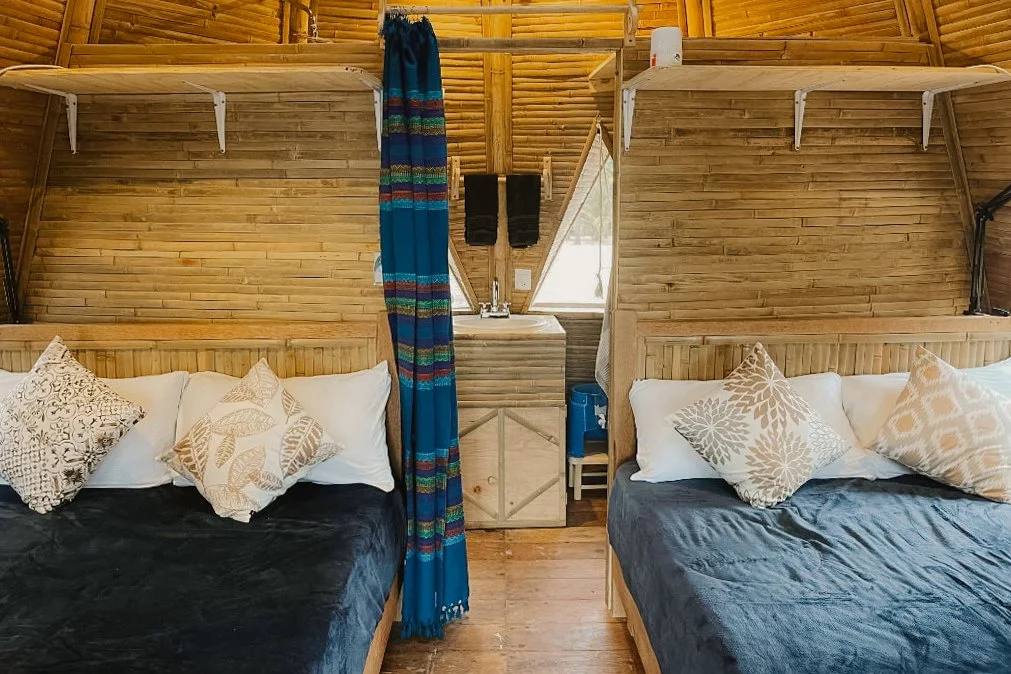
For those wanting to stay closer to the ocean, there are a small collection of beachfront accommodations that feel more immersive, more elemental, and a bit more off-grid. These options feature queen beds and offer more privacy for participants traveling solo, as a couple, as a family, or in a small group.
-
All program activities take place at or near housing, and transportation during the course between housing, field excursions and the beach will be coordinated by the program team. Most participants choose not to rent a car unless they plan to travel independently before or after the course.
-
The Early Bird course tuition is $3,000 USD, which includes the full program, field experiences, shared entry-level housing, and three meals per day throughout your stay. Airfare and airport transport is not included in the cost of tuition. Private housing can be arranged for an additional fee.
A $1,000 USD deposit is required to reserve your place in the program upon acceptance.
Program
Accommodations
Most spaces are centered around comfortable king-bed setups, making them ideal for pairs or those open to sharing, while a limited number of Beachfront options are available for Participants seeking a more private stay.
Group Housing at Villa Tortuga
Multi-Configuration Options
Private Rooms For Pairs
Communal Kitchen + Living
Shared Pool
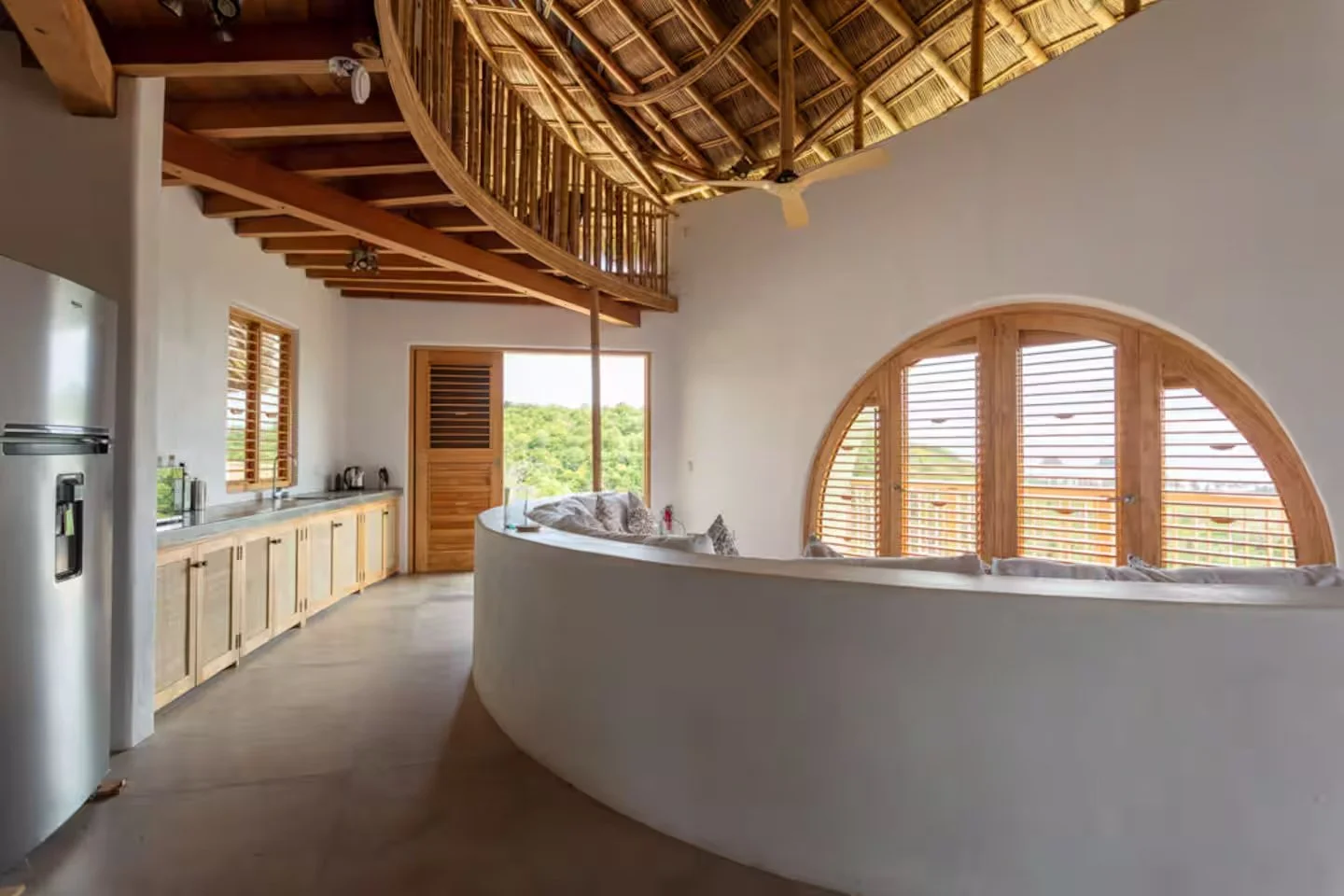
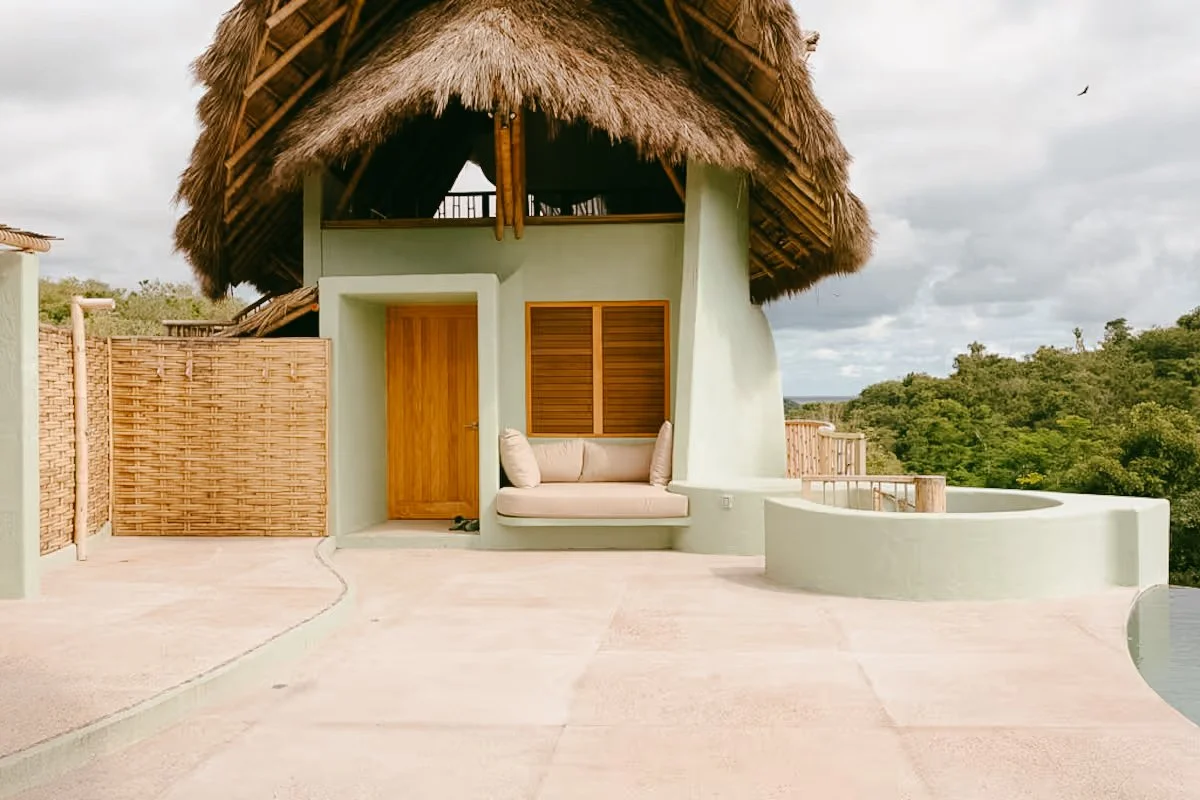
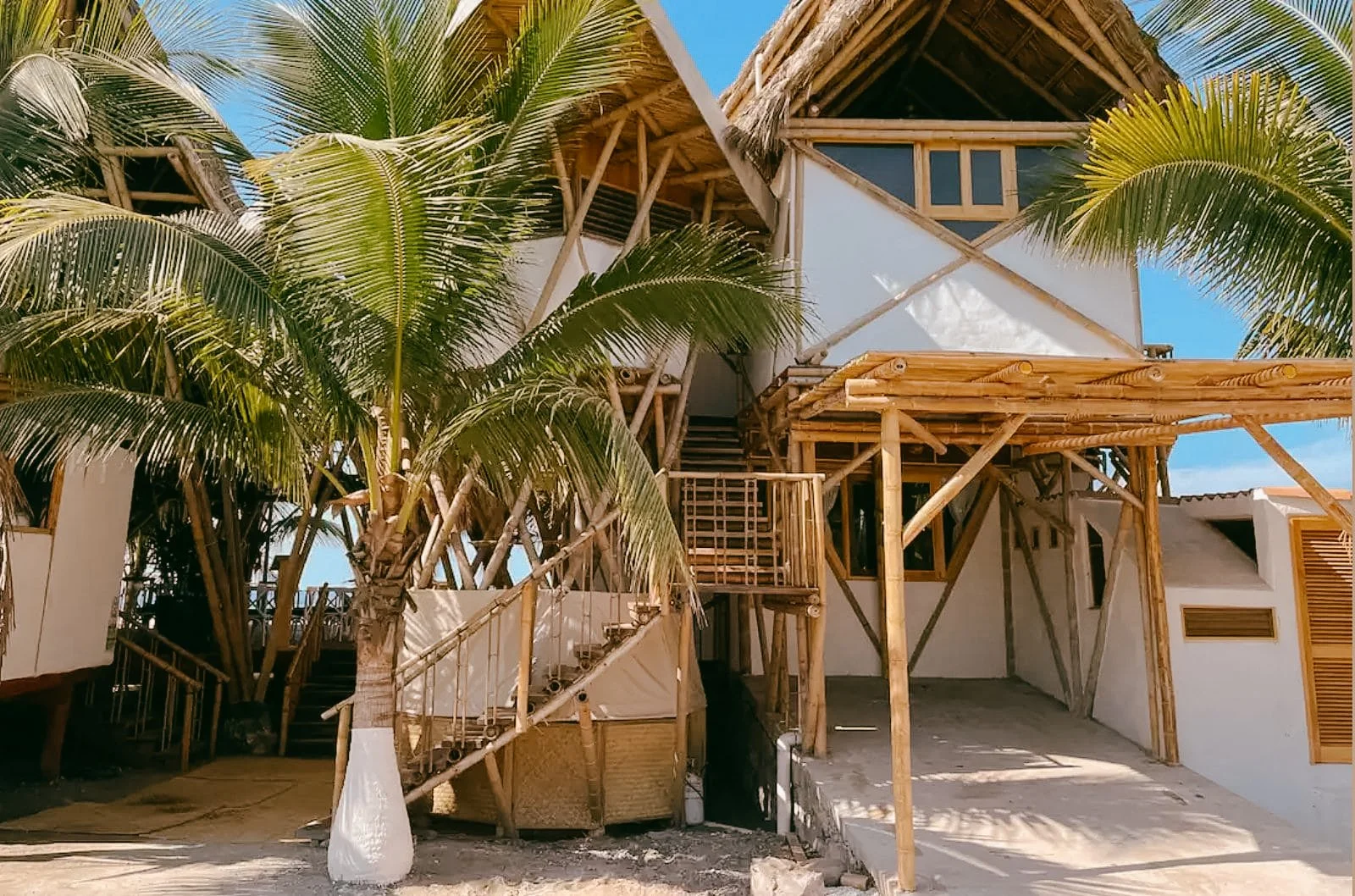
Participants staying in group accommodations will be hosted at Villa Tortuga, a spacious bamboo villa perched on a bluff above the Pacific and surrounded by tropical dry forest. The home features natural bamboo architecture, expansive ocean views, and shared indoor and outdoor gathering spaces where participants can connect during and outside of class.
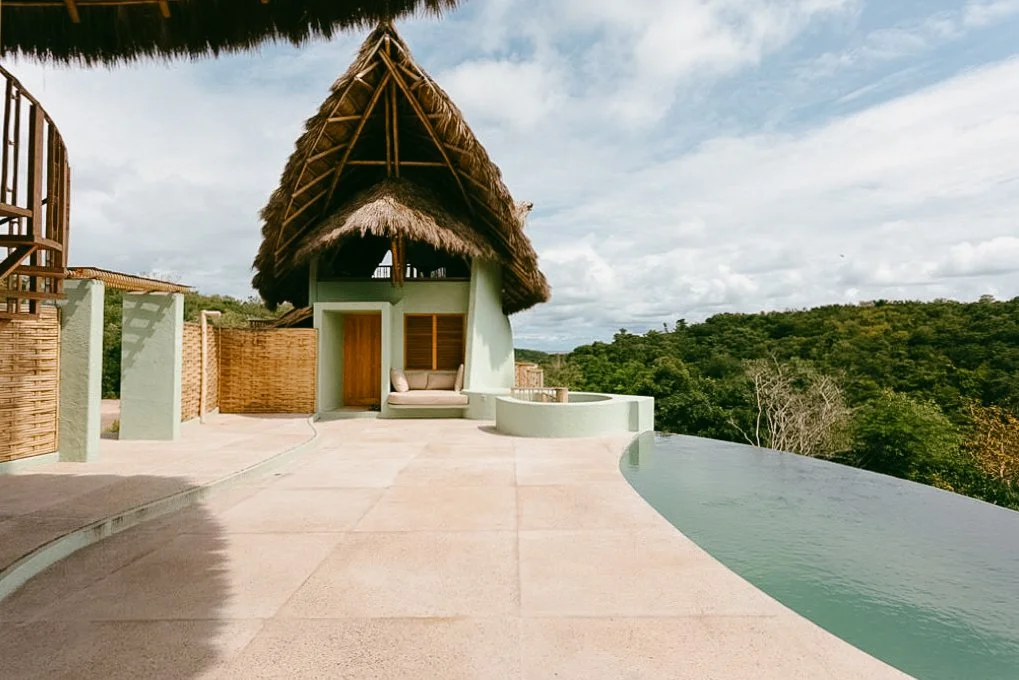
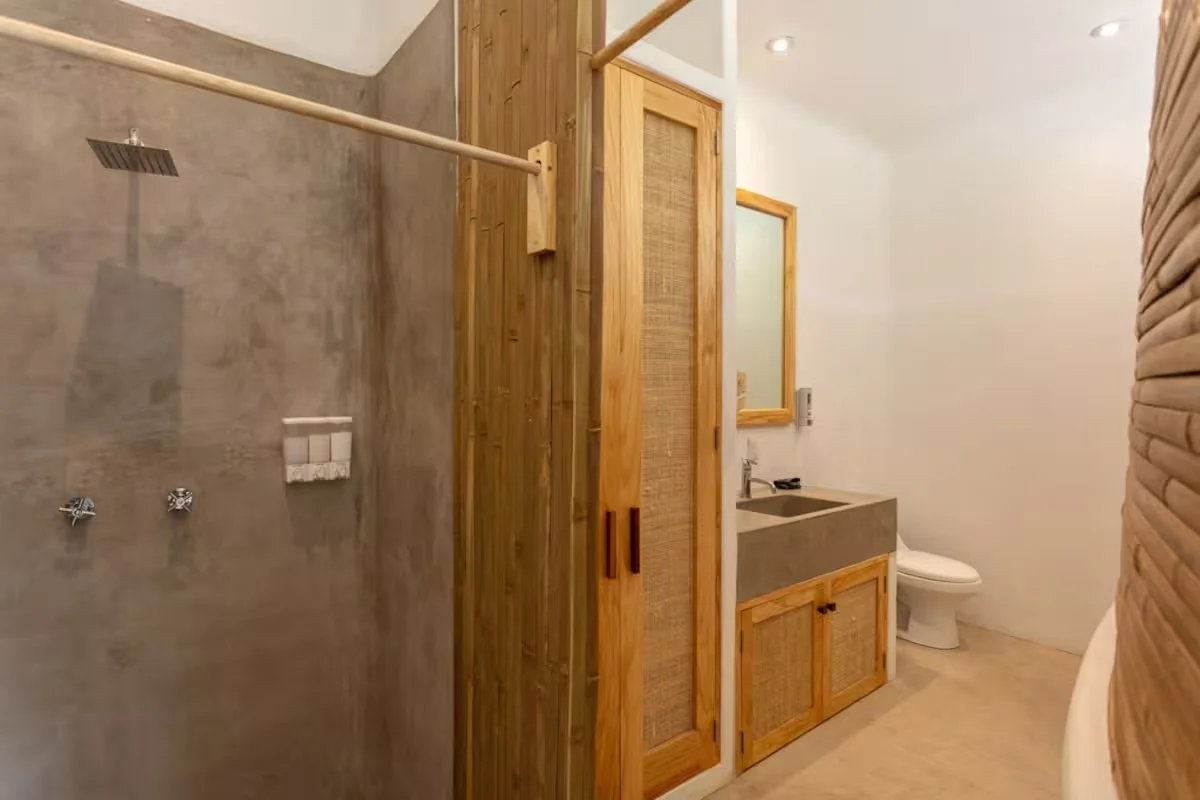
Multiple king-bed rooms with private bathrooms are arranged throughout the house, creating a comfortable communal environment for course participants. The property includes shared living areas, modern amenities, and access to an infinity pool overlooking the coastline, offering a peaceful place to relax after a day of learning and fieldwork.
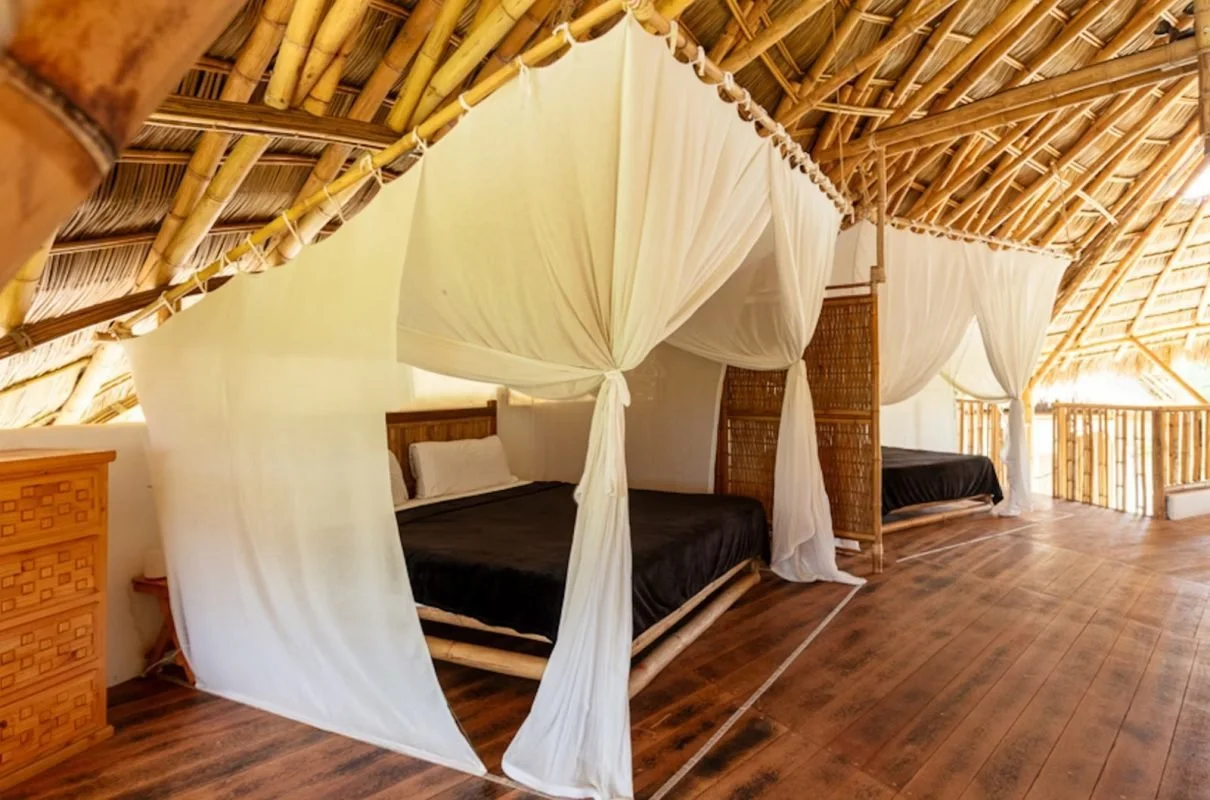
A variety of room layouts within Villa Tortuga accommodate different participant pairings and small groups. Options include private king bedrooms designed for two guests, larger suites with two king beds for shared occupancy, and spacious loft-style rooms that combine multiple king beds and sofa sleeping areas. The villa also includes a principal suite with indoor and open-air spaces, as well as a studio villa with a king bed and additional sofa bed, offering flexible arrangements for participants attending together or seeking additional space.
Beachfront Housing
Multi-Configuration Options
Private Housing for Pairs
Common Areas
Steps from Playa Grande
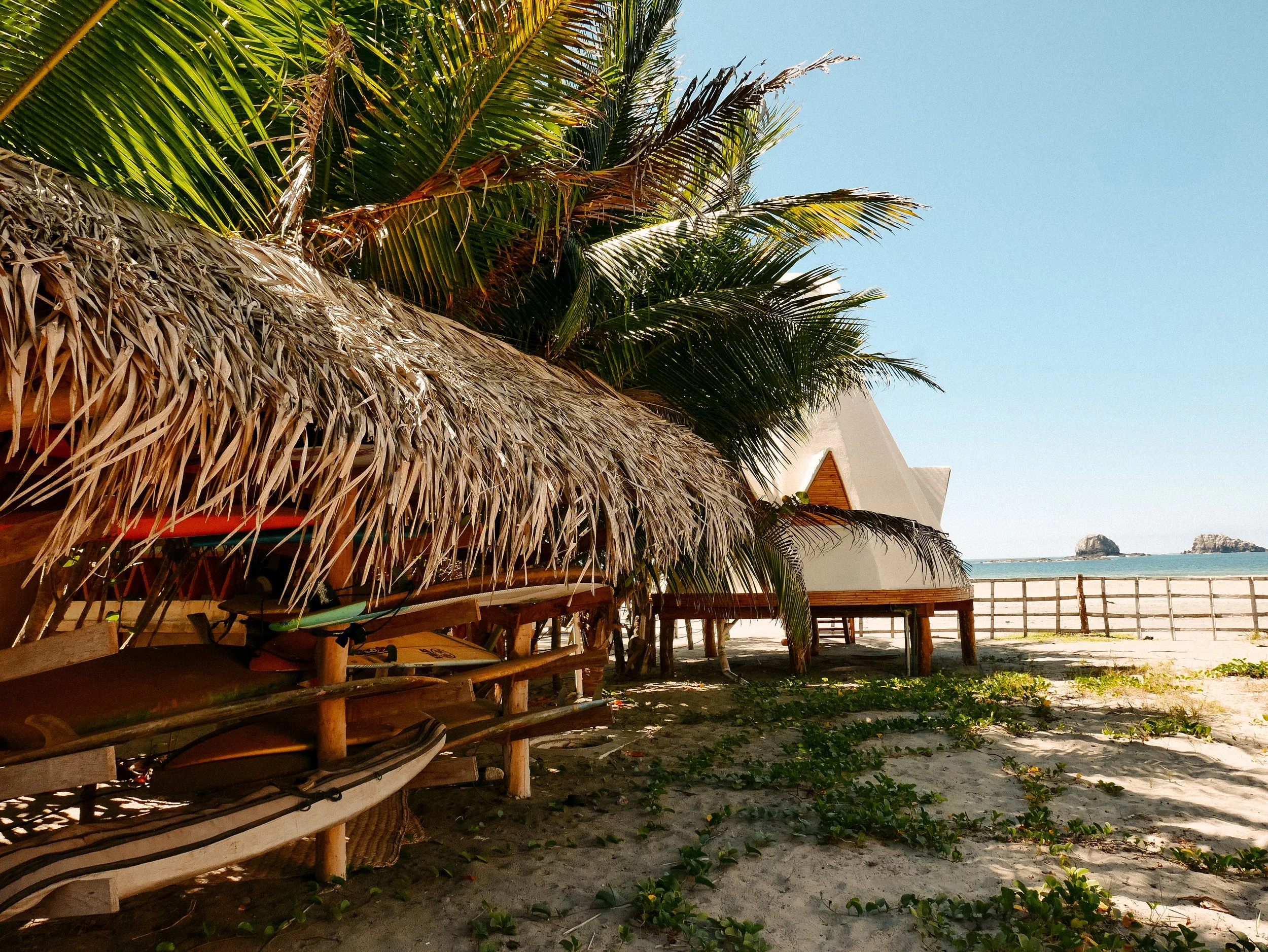
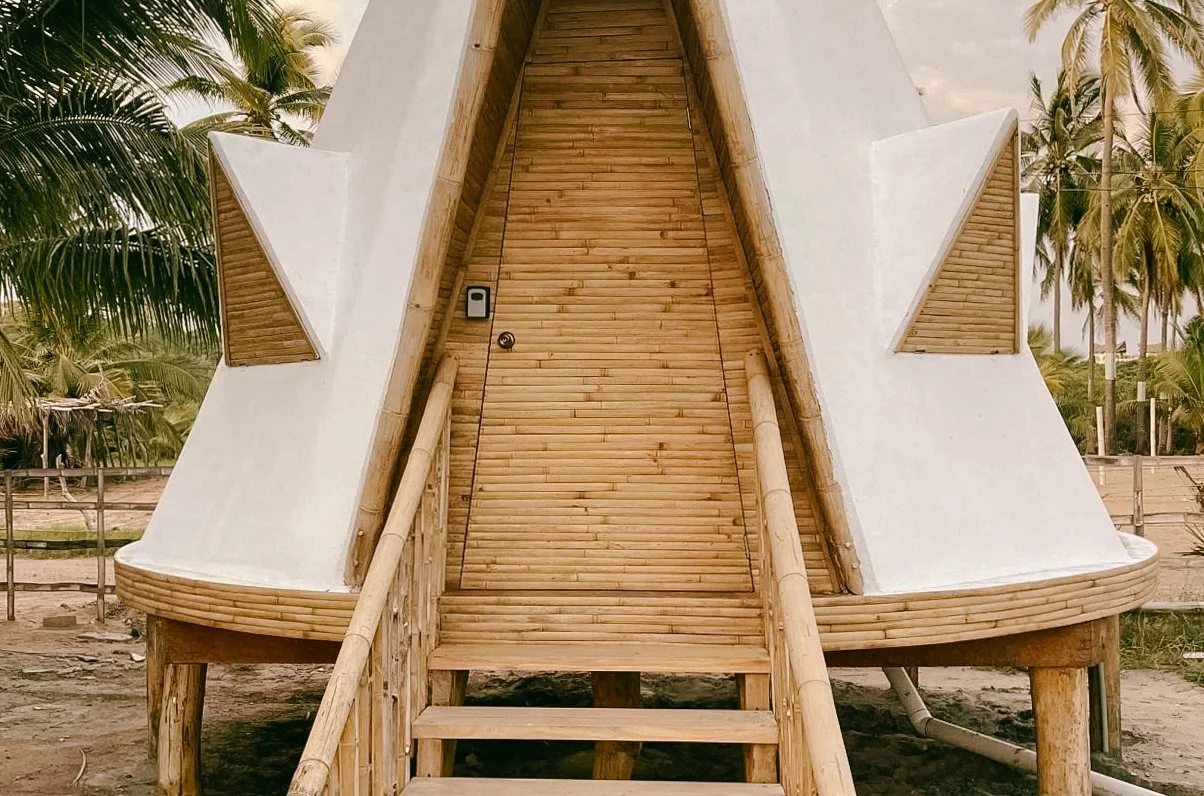
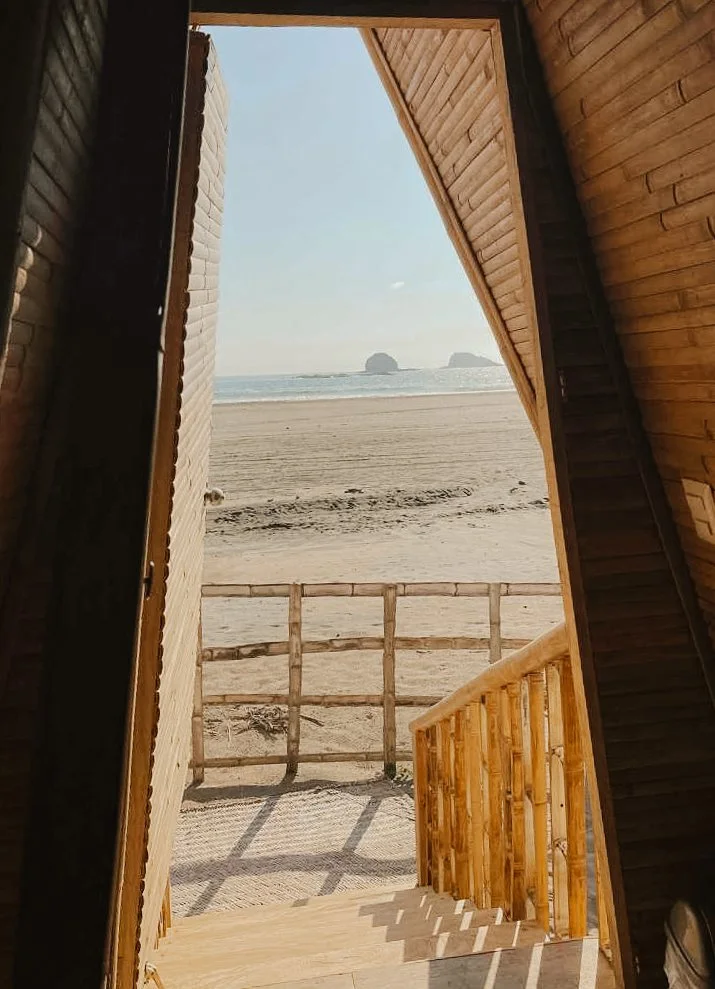
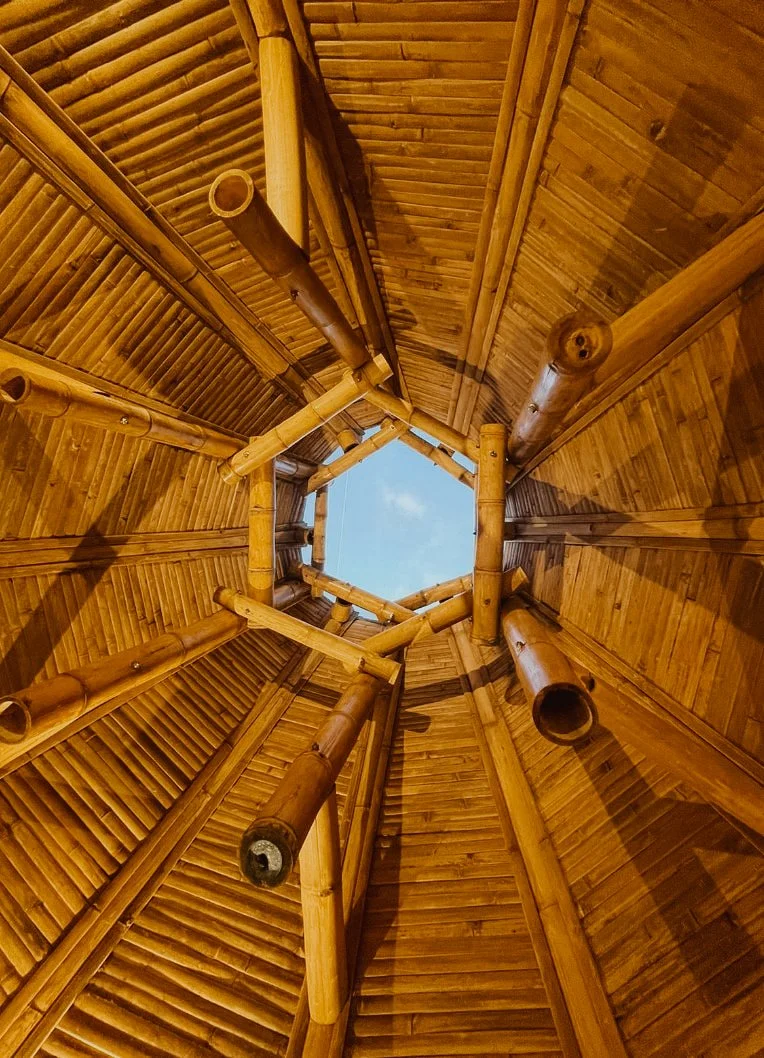
Participants seeking a bit more privacy or a closer connection to the coast may choose to upgrade to one of the beachfront housing options set directly along Playa Grande. These handcrafted bamboo structures sit just steps from the Pacific, placing you right at the edge of the water—ideal for those who want to surf, swim, or simply spend more time in the ocean, with waves just outside your door. Shared social spaces, complete with hammocks and fresh coconuts, create an easy, laid-back sense of community. Daily transportation to and from the main campus is included, making it seamless to move between the beach and course activities.
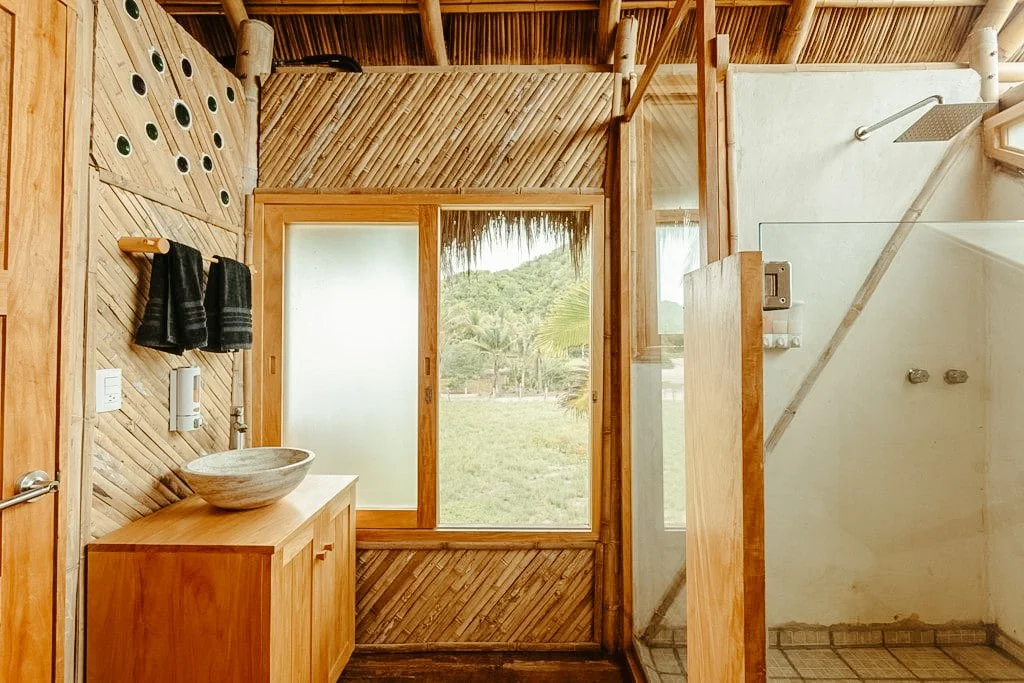
The Treehouse is designed for one or two guests, with a queen bed, private bathroom, and light kitchenette, creating a quiet, open-air living experience that feels immersed in the landscape. The Teepee provides a slightly more social setup, with two queen beds and a relaxed, surf-adjacent feel, ideal for those who want to stay close to the water and are traveling in a small group. The Bungalow offers a bit more space and flexibility, featuring a mix of one king and one queen bed, full kitchen, and private bathroom making it well-suited for a small group or family who want a private, oceanfront setting.
Questions on the
Application process?
If you have questions about the application process, program details, or accommodations, we’re here to help. Please use the form below to get in touch, and a member of our team will follow up with additional information and next steps for applying to the course.